
How to Fix Shin Splints
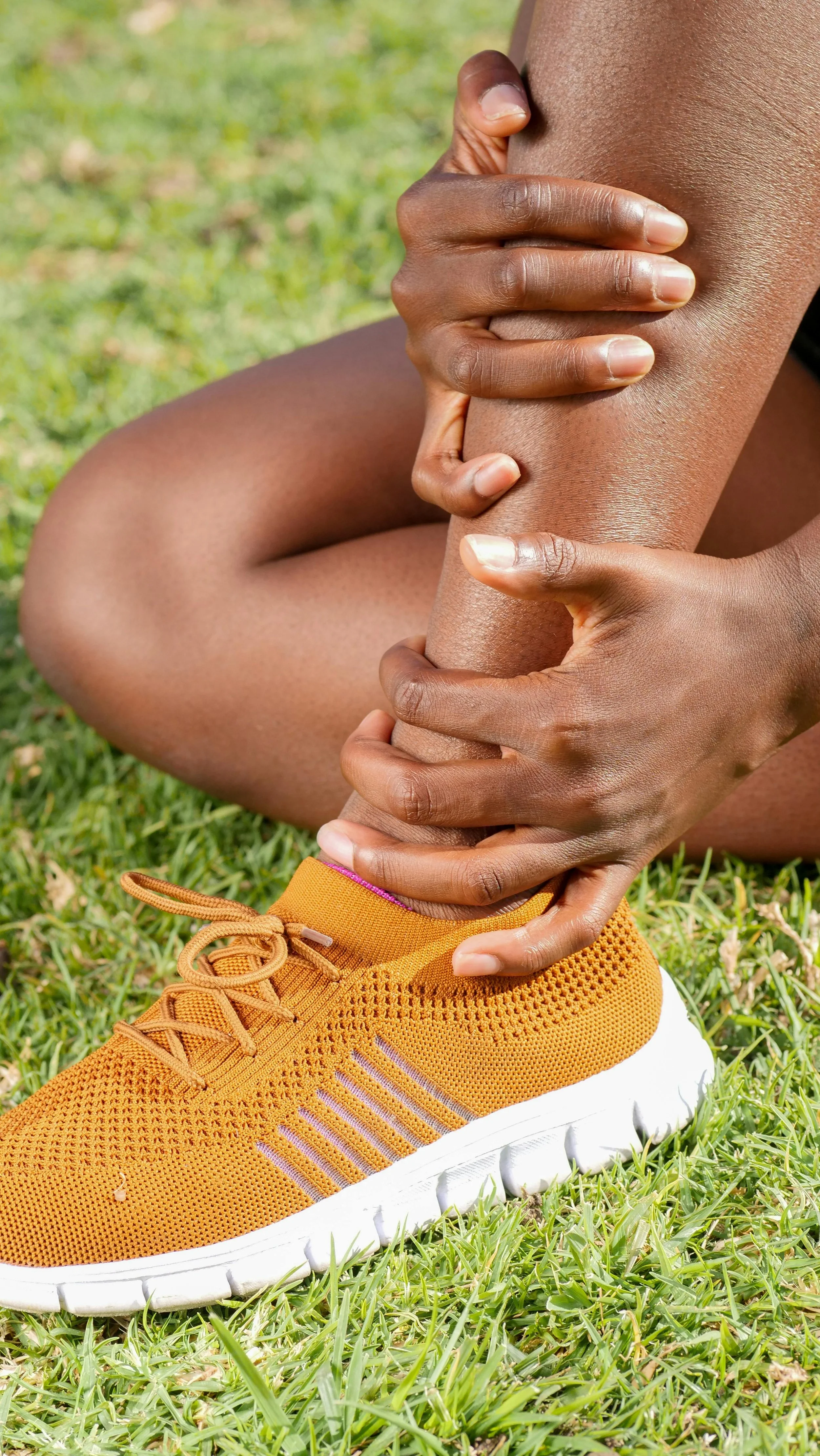
Hmmm….what’s that dull ache on the inside of my shins? I wish it would go away. But after a few more weeks it doesn’t. Someone tells you: “its just shin splints”
But you are still left confused: What is it? Can you train through it? Can you recover...and prevent this injury from rearing its ugly head again?
DISCLAIMER: You are reading a blogpost providing general tips for the vast majority of people out there. This is NOT an individual MRI scan to stage your shin pain, nor is it individual medical advice instructing you what you should do. If you are in doubt if you have something else or a more serious condition brewing, seek out a trusted medical professional near you that CAN give you an individual assessment for individualized care. Ok, with that out of the way, let’s actually get to work.
What is a “splint” in your shin?
And why to they keep occurring?
The term shin splints is pretty much a garbage bag/slang term used by most folks. It can cover about 20 different diagnosis, and thus its impossible to write a newsletter covering all of these- it would be book chapter.
So let’s use the 90% rule here. The vast majority of people with low/moderate level achy pain on the inside of the shin who are told they have “shin splints”, actually have something more accurately called Posterior Tibialis Insufficiency or Medial Tibial Stress Syndrome. WHAAAAT???
Don’t freak out – we’ll break this down really simply. When you walk, run, and jump, your foot “TWISTS” down to the ground from your heel all the way to the balls of your feet, and twists back off again when you push off. During every step those 26 bones in your feet are guided by a “team of muscles” to ensure everything goes smoothly.
TEAM FOOT for the Win!
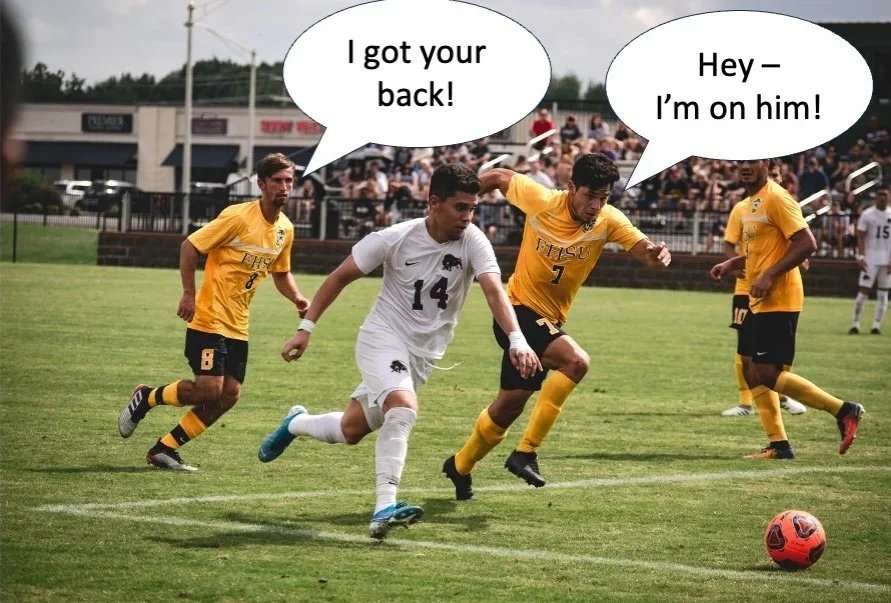
Your team of muscles is a bit different than we see on the soccer field, but still each muscle on the “foot team” has an important role to ensure things are stable and controlled each and every step.
You have 29 muscles on Team Foot. Of those, 19 muscles start and end INSIDE the foot (called intrinsic muscles) and 10 others that start in the shin bone but still insert and thus affect the control of your foot (called extrinsic muscles).
Any winning team ensures that all the players show up and do their job to earn success. Your foot is the same way – when those intrinsic muscles (again the ones inside your feet) show up ready to play, they do an incredible job of steering and stabilizing the twist in your foot every step. This means that the muscles up in the shin can “help” but aren’t overloaded.
When TEAM FOOT Fails
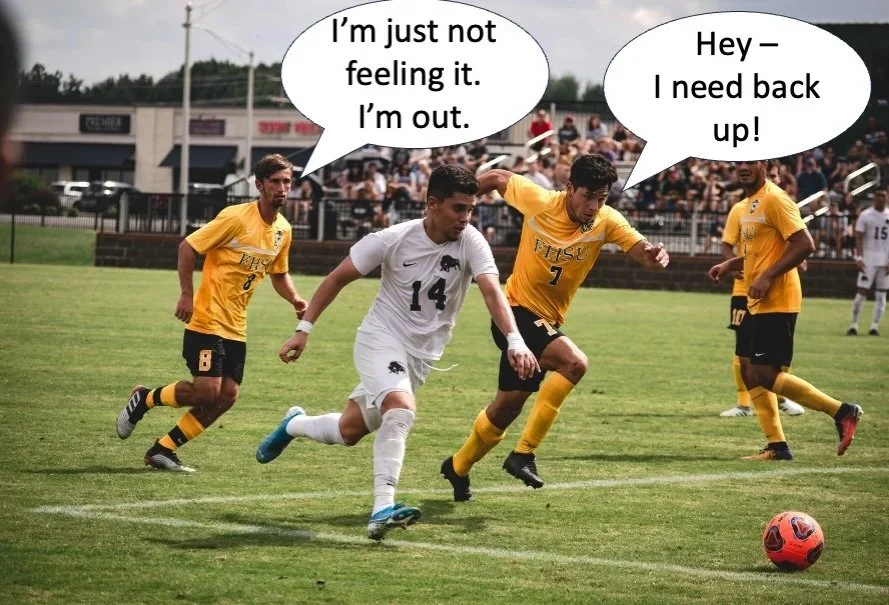
But sometimes the team dynamics break down. In short, when the muscle inside Team Foot don’t do their job, the muscles outside Team Foot have to work harder. And that pain on the inside of your shin is caused by the muscles on the inside of your shin being asked to do WAY more than their fair share of the work. If this happens once, no biggie. But if this happens over and over again, those muscles….and the tendons and bone they connect to become overloaded and can create quite the downward spiral.
Fix Shin Splints for Good!
Resting will NOT fix the problems with all the muscles on your team showing up. Taking specific action will! Here’s a plan to ensure success for your Foot Team that’s worked for (literally) thousands of people I’ve worked with, and is used by a LOT of teams + programs I’ve worked with across the globe.
Step 1: MOBILITY
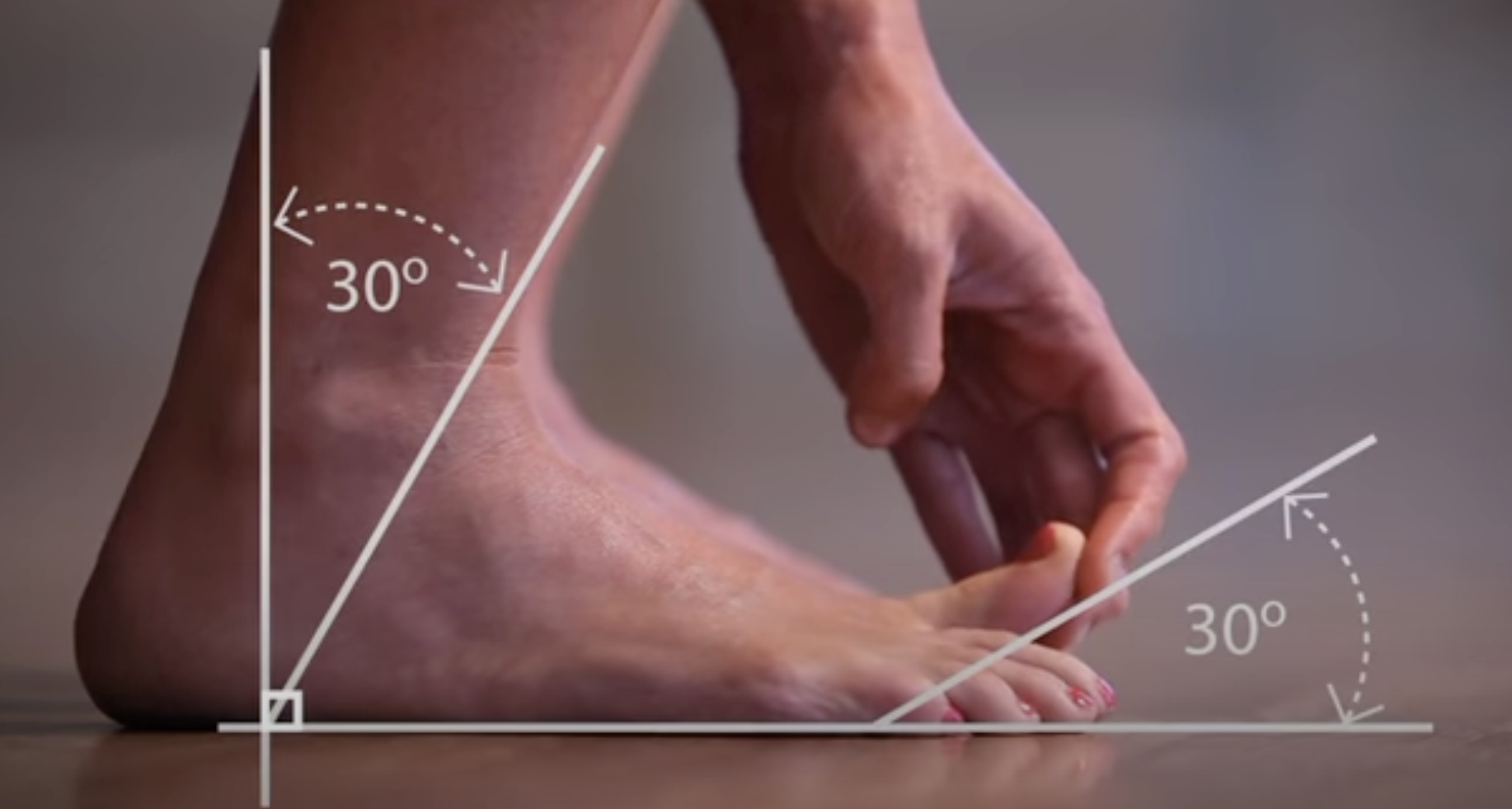
A: You need to be able to roll through your ankle and ball of the foot while walking and running. If you are lacking here, it can throw the normal twist in your foot off a good bit, and make those muscles on the inner foot work harder. I have tests for these in my book Running Rewired - and the specific fixes for them if you are lacking!
B: You also need torsion (or twist) within your foot to allow it to roll smoothly down to the ground, as a stiff foot will demand even more from muscles on the inner shin (not helpful). Please take a look at the “Is your foot locked test” on the FOOT tab on the MOBO site. If you need help here, using the WEDGE to do the Lateral Foot Release and the Transverse Arch Release will take all of 3 min tops to get your foot supple and mobile. After you do those retake the “is your foot locked test” - you should notice a pretty big difference in forefoot contact and connection. We want to put a supple foot into your MOBO stability training - so do these BEFORE your MOBO board work.
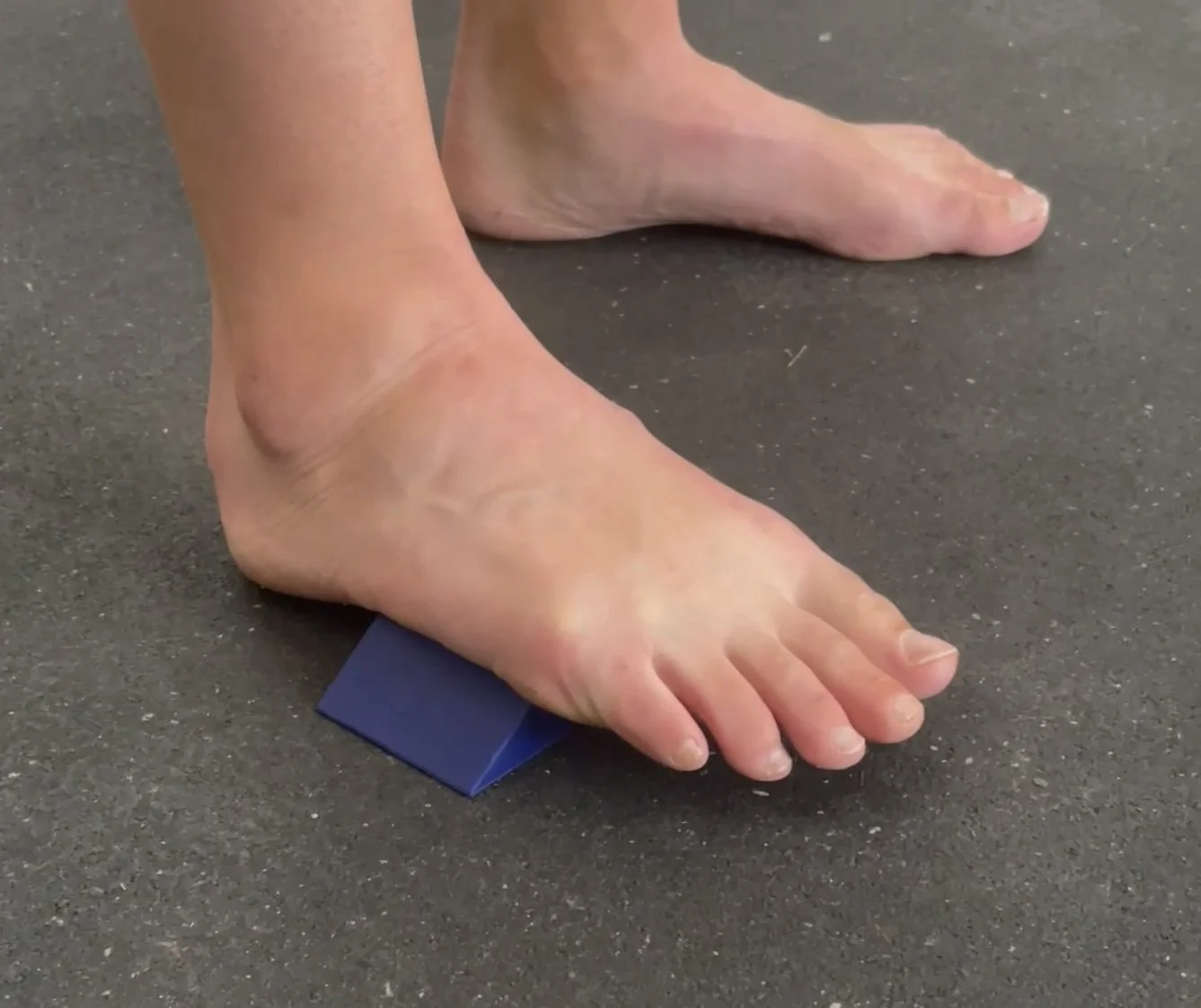
Step 2: STABILITY
The next priority - and the most important one! - is to ensure the muscles in your foot show up so that the ones in your shin don’t have to work as hard. That’s where your MOBO Board comes in. The 3 most helpful moves here will be:
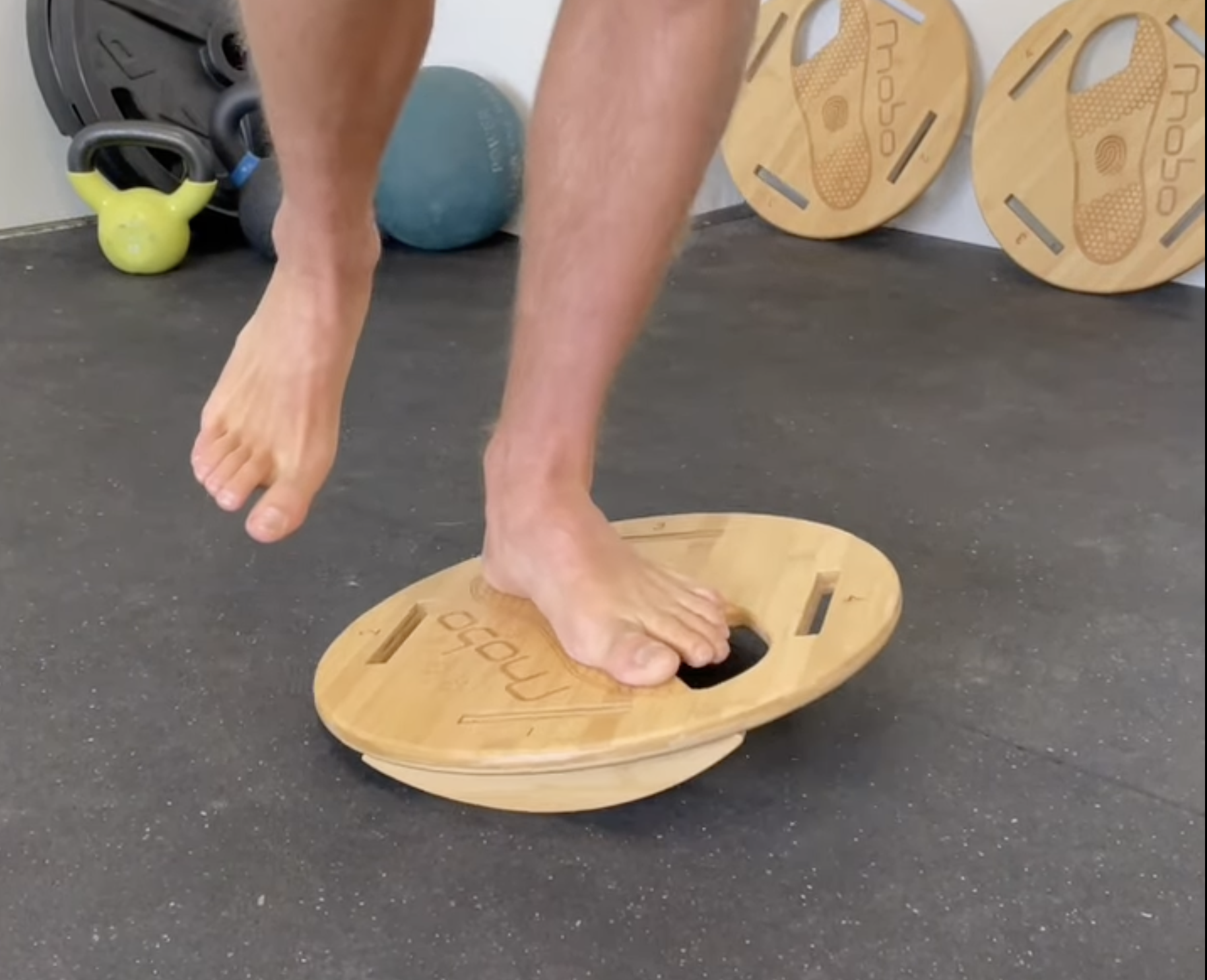
The 3 most helpful moves are:
FOOT ROCKS
FOOT BAND TWIST
EVERTED PASS AROUND
If you did each of these all at once it would take you about 6min. If you can’t find 6 min, then do ONE each day and just be consistent. They won’t make you sore and doing them almost daily is encouraged.
Videos of each are on our FOOT EXERCISE PAGE If these seem too hard, please check out the regressions section by clicking on the FOOT in the interactive body on that same page.
Build Better Parts
Step 1 +2 are all about fixing the biomechanical imbalances that created this issue in the first place. That’s the white elephant in the room. But we should also dedicate some time + attention to rebuild the muscles and tendons on the inner shin. Rest won’t help them, but doing this one exercise will give them a bit of a “nudge” to remodel and get better so they can do their job.
Check out the in the FOOT Tab on the Clickable Body - and scroll down to the BANDED FOOT SWEEP. As in the description, you need to do these SLOWLY. Take 3 full seconds on the sweep inward ,and 3 full seconds on the way back out. All you need is the band your MOBO came with, and this should take about 2 min tops. If your shins are super sore, this one may feel like you are “poking the bear” a bit. To make it easier don’t pull the band as hard, and to make it more challenging, make the band tighter. The resistance should be challenging but doable.
Can I Train Through Shin Splints?
While I don’t want to freak anyone out, we also want to make sensible decisions. Just as you’d never drive drunk, you also shouldn’t roll the dice with shin pain.
The cold truth is that it’s a continuum. The scenario we set up above can indeed overload the muscles on the inner shin. And if you keep up training hard through this imbalance, that low-to-moderate irritation in those muscles can overload your body to the point it turns into a stress reaction….or worse: a stress fracture. And no one wants your body to literally break.
So – back to the question – can you train through them?
Here’s some general guidelines observed by the majority of the medical field: If your pain level is a 0-3/10 during your run/workout and after your run/workout, and there is NO LIMPING, you’d generally be told you can keep training, but do NOT increase volume or intensity until symptoms resolve.
Why not pain above a 3/10? Because it’s ok to have some irritation to the tissue, but not enough that it’s creating excessive damage to the point where the angry muscle on Team Foot can’t heal. If it’s worse than a 3/10, you run serious risk of your shin splints developing into a major injury. You’ll need to be honest with yourself on that one to give you a green light on training or a red light to hold back. But to be clear - the imbalance that led to your shin pain will likely not just go away….and thinking so is why these things stick around so long. But you don’t need to be frustrated or a statistic -Break the cycle and take action!